Introduction
When deciding between repairing vs. replacing the siding on a home (for example, a traditional Cape Cod-style house), it helps to compare both the costs and the long-term value. Below is a breakdown of key factors and how they influence which option saves more.
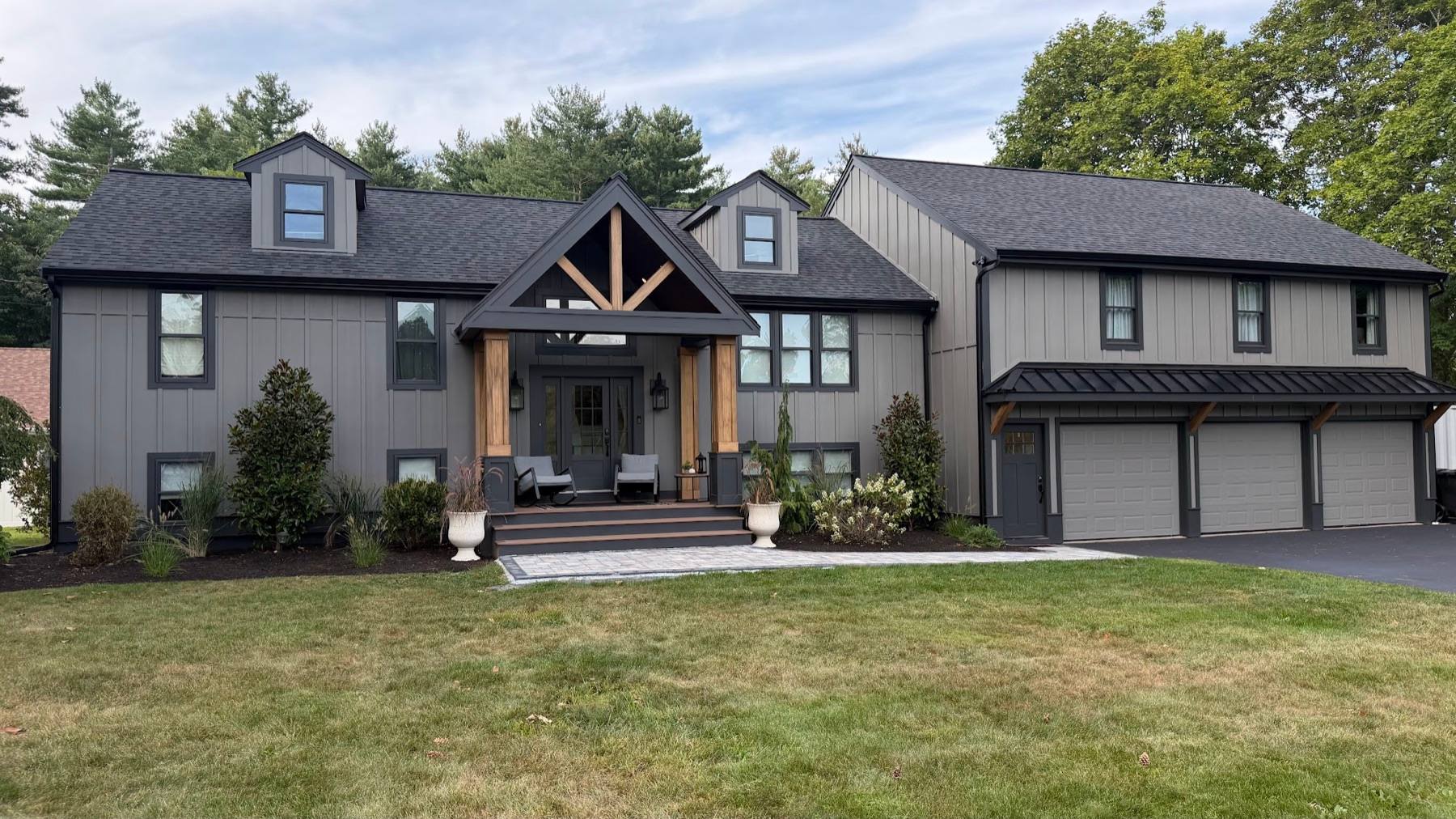
PLJ handles siding projects across Cape Cod and the South Shore.
1. When Repairing Makes Sense
Repairing can be the more economical choice when:
- Damage is localized (for example, a few cracked or warped siding boards rather than broad damage).
- The siding is relatively young or in generally good shape, so you’re not fighting major deterioration.
- You plan to stay in the home for a shorter period (so you don’t need decades of longevity).
- The materials are still good, and underlying structure (sheathing, insulation, weather barrier) is sound.
Why timely repairs matter
- If you do timely repairs, you avoid more expensive damage (e.g., rot, moisture intrusion) that may force full replacement later.
Advantages
- Lower upfront cost.
- Less disruption (less removal, less scaffolding, less finishing).
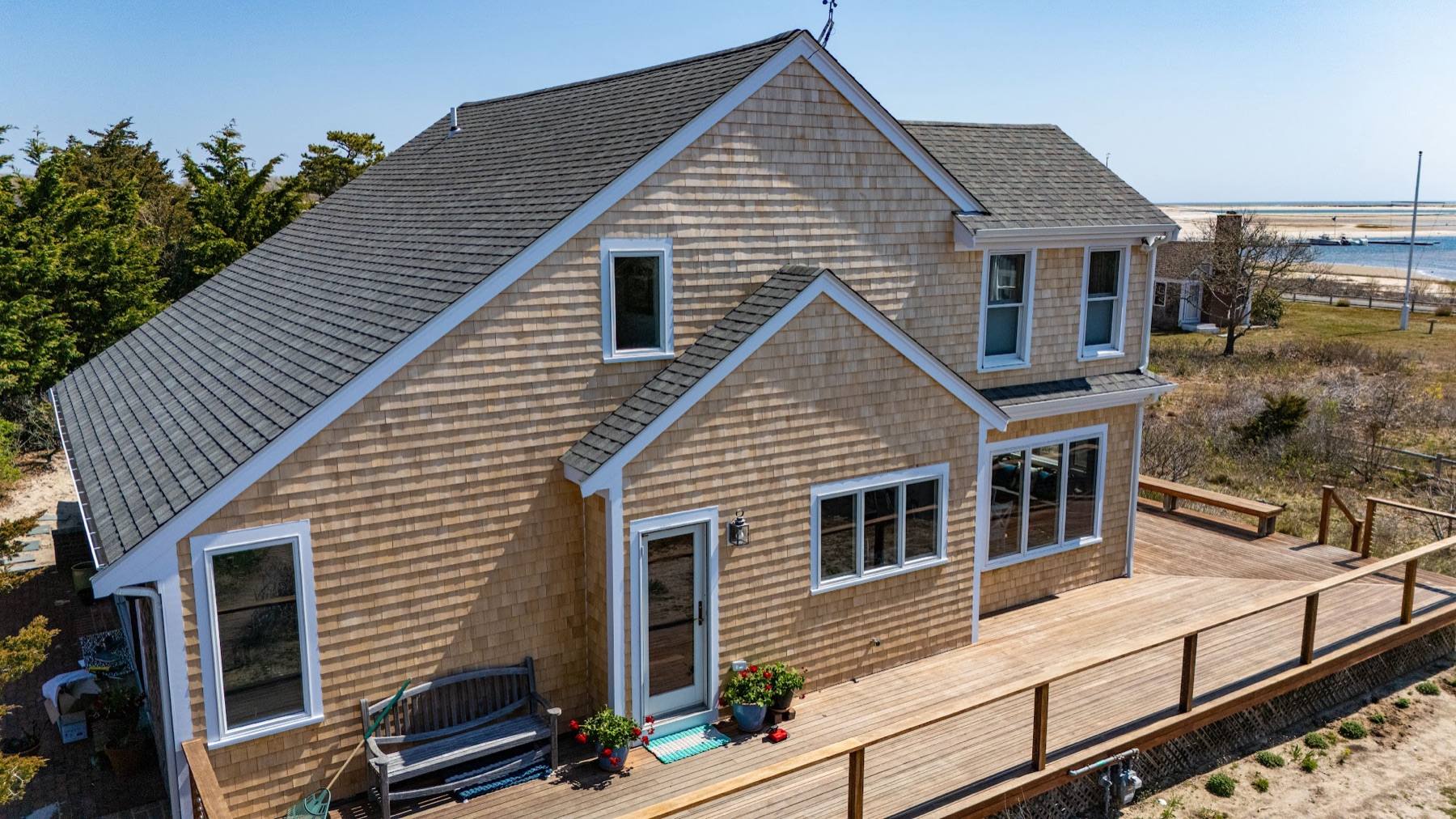
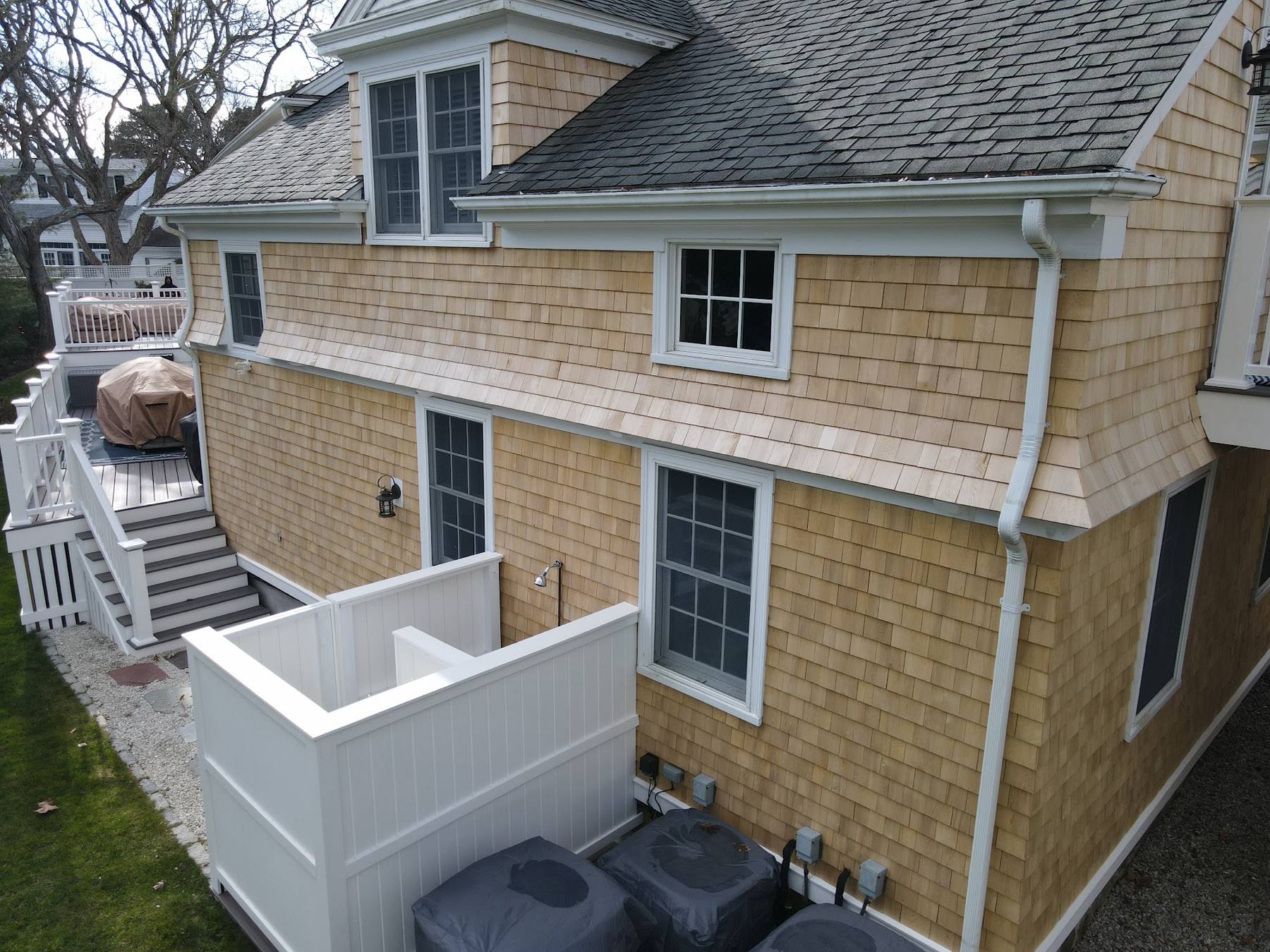
- Keeps original material (which may match historic style if it’s a true Cape Cod home with wood shingles).
- If the damage is minor and the siding still has plenty of life, you extend the useful period with minimal investment.
Limitations
- Repair is a temporary solution if the siding is old or many parts are failing.
- You may still have maintenance costs ahead (painting, sealing, etc.).
- Repairs can become a constant expense if many areas are failing, sometimes making replacement more economical in the long run.
2. When Full Replacement Is the Better Save
Full siding replacement makes more sense when
- Damage is widespread, many sections are failing (warped, cracked, rotted, faded) or underlying structure is compromised.
- The siding is old (beyond its expected life for the material) and maintenance is becoming frequent and costly.
- You want upgraded materials (better durability, insulation, lower maintenance) which may reduce ongoing costs.
- You plan to stay long-term or want to improve resale value.
What replacement adds
- Replacement often brings benefits beyond just aesthetics: improved energy efficiency, fewer maintenance issues, better protection from weather.
Advantages
- One-time investment that resets the clock on siding life.
- Potentially lower maintenance and repair costs going forward.
- Improved curb appeal and possibly higher resale value (which can help recoup some cost).
- If materials are upgraded (insulation, better weather barriers), you may save on heating/cooling costs.
Limitations
- High upfront cost.
- More disruption (removal of old siding, scaffolding, possibly replacing sheathing, repainting or finishing).
- If the house is being sold very soon, you may not capture full value of the investment.
3. Which Option Saves More, Really?
“Which saves more” depends on your specific scenario. Here are guiding questions:
- How much damage and how widespread?
- If just a few boards on one side are compromised → repair likely saves more.
- If many boards or the underlying structure is damaged → replacement likely saves more in the long run.
- What is the current condition and age of the siding?
- If the siding is near the end of its expected life (for example wood siding with many years behind it) → replacement probably makes sense.
- If you’re early-to-mid-life in the siding, and damage is small → repair can carry you well.
- What’s your time horizon?
- If you plan to live in the home many more years → a replacement may pay off.
- If you expect to move soon and want minimal investment, a repair may be more economical.
- What materials / upgrades are you considering?
- If you upgrade to higher-performance siding (longer life, better insulation) the cost per year of service goes down.
- If you stick with same material but keep doing repeated repairs, over time the cumulative cost may exceed replacement.
- Maintenance & hidden costs.
- Repairs often look cheap up front, but frequent small repairs add up.
- Replacement resets maintenance needs and potentially reduces unseen damage (moisture, pests, insulation failure)
4. Quick Comparison Table
| Option | Upfront Cost | Maintenance/Repair Future | Life Span Reset? | Best For |
|---|---|---|---|---|
| Repair | Lower | Possibly more frequent | No | Minor/localized damage, newer siding |
| Replacement | Higher | Lower ongoing | Yes | Widespread damage, older siding, long-term stay |
5. Specific Considerations for Cape Cod-Style Homes
Homes in the Cape Cod style often have particular exposure and styling factors:
- They may use wood shingles or cedar shakes historically, which are susceptible to rot, warping, weather and salt air (in coastal zones).
- If original materials are wood and in a historic district, matching the aesthetic may affect material choice (perhaps wood must be preserved).
- Because of gables, dormers, complex roof lines often seen on Cape-style homes, labor and removal costs for siding replacement may be higher (making repair more attractive when possible).
- Salt air and coastal storms increase wear, so deterioration may occur faster, making monitoring important. For example, an article noted that on the Cape region, signs like warping, rot, discoloration, and pest infestation are triggers for replacement.
Conclusion
Choosing between siding repair and replacement for your Cape Cod home ultimately comes down to the extent of damage, the age of your siding, and your long-term goals. Minor issues or newer siding often make repair the most cost-effective choice, while older or extensively damaged siding usually benefits from full replacement, saving you more over time through reduced maintenance, better energy efficiency, and increased home value. For the best outcome, schedule a professional inspection to assess your siding’s condition and get personalized recommendations based on your home’s unique needs and Cape Cod’s coastal climate.
At PLJ Carpentry, we specialize in custom siding design and installation, providing solutions tailored to Cape Cod’s coastal climate.