Introduction
Choosing between wood and composite decking for your home in Cape Cod requires considering the region’s coastal climate, including humidity, salt air, and seasonal changes. Here’s a breakdown of how each material performs in this specific environment.
PLJ handles deck projects across Cape Cod and the South Shore.
1. Natural Wood Decking
- Pros:
- Authentic appearance: Offers a traditional, warm aesthetic that many Cape Cod homeowners love.
- Cost-effective upfront: Pressure-treated pine or cedar is generally cheaper initially.
- Easily customized: Can be stained or painted to match your home.
- Cons:
- High maintenance: Needs annual sealing or staining to resist moisture, mildew, and insect damage.
- Weather vulnerability: Cape Cod’s salty sea air, snow, and summer sun can cause wood to crack, warp, or rot over time.
- Shorter lifespan: Even treated lumber may only last 10 to 15 years with proper care in this coastal environment.
2. Best Wood Types for Cape Cod:
- Cedar or redwood (naturally resistant to rot)
- Pressure-treated pine (affordable but needs more maintenance)
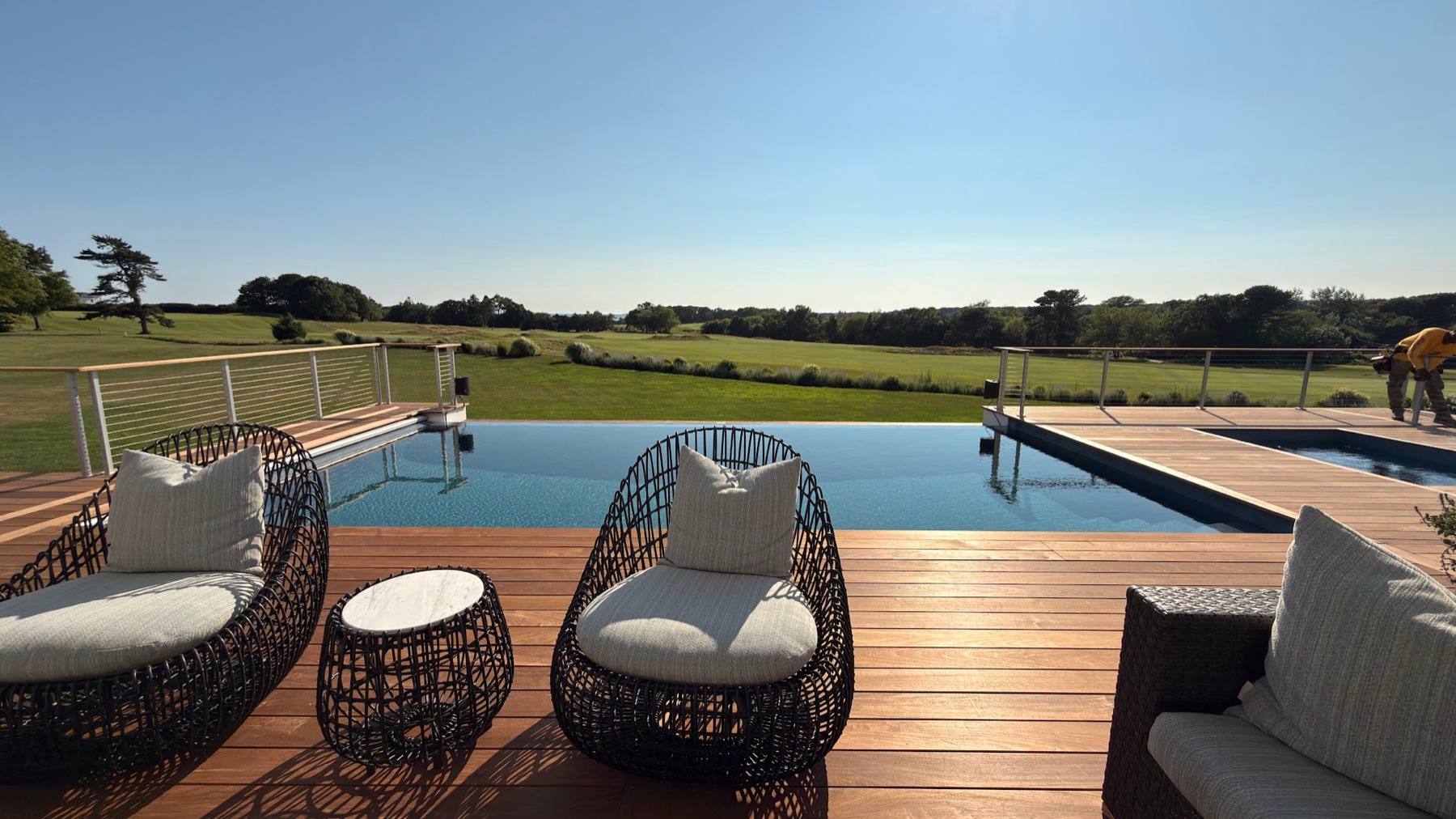
- Ipe or mahogany (durable but expensive)
3. Composite Decking
Pros
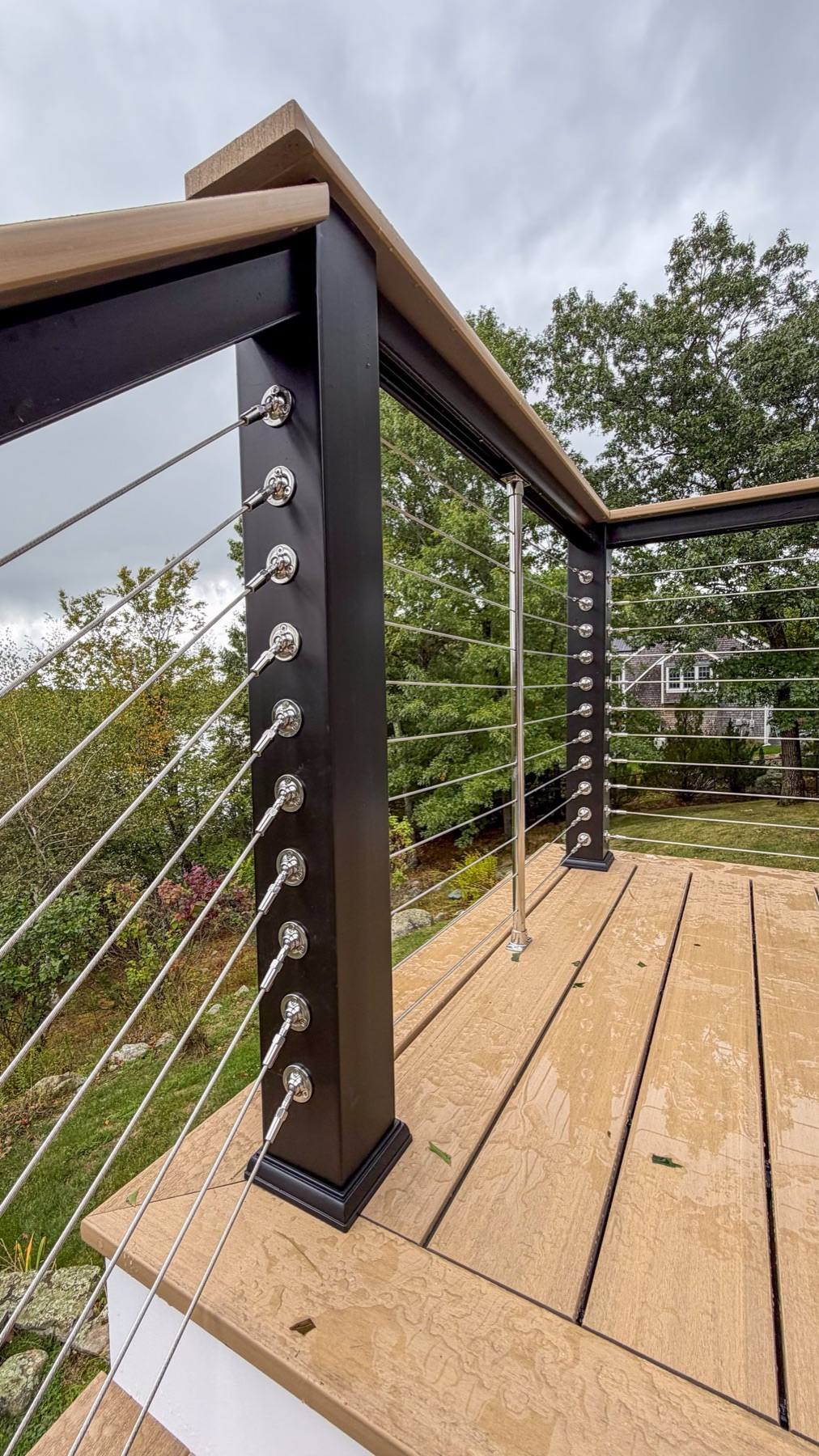
- Low maintenance: No need for staining, sealing, or painting. Just occasional cleaning.
- Highly durable: Resistant to rot, mold, fading, and warping, perfect for the Cape’s coastal conditions.
- Long lifespan: Many brands offer warranties of 25 years or more.
- Eco-friendly: Often made from recycled materials.
Cons
- Higher upfront cost: Usually more expensive than wood, but costs even out over time due to low maintenance.
- Less natural look: Newer styles closely mimic wood grain, but may not fully match the charm of real wood.
- Can get hot: Some composite boards heat up in direct sunlight, though newer lines address this.
4. Popular Brands for Cape Cod Use:
- Trex
- TimberTech
- AZEK (especially good in moisture-heavy environments)
5. So, Which is Better for Cape Cod?
Best Overall: Composite Decking
For most homeowners in Cape Cod, composite decking offers the best value due to its resistance to moisture, mold, and salt air, and its low-maintenance nature. Over time, the reduced upkeep costs and extended lifespan outweigh the initial investment.
Best for Traditional Charm: Wood Decking
If your priority is a classic Cape Cod look and you’re willing to invest in regular maintenance, natural wood still has its place, especially in historic or traditionally styled homes.
Conclusion
When deciding between wood and composite decking in Cape Cod, it ultimately comes down to your priorities. If you value low maintenance, durability, and long-term value, composite decking is the smarter choice for the Cape’s challenging coastal climate. However, if you prefer the classic charm and authenticity of natural wood and don’t mind the ongoing upkeep, wood can still be a beautiful and functional option.
Either way, understanding the pros and cons of each material, and how they perform in Cape Cod’s unique environment, will help you make a decision that suits your home, lifestyle, and budget for years to come.